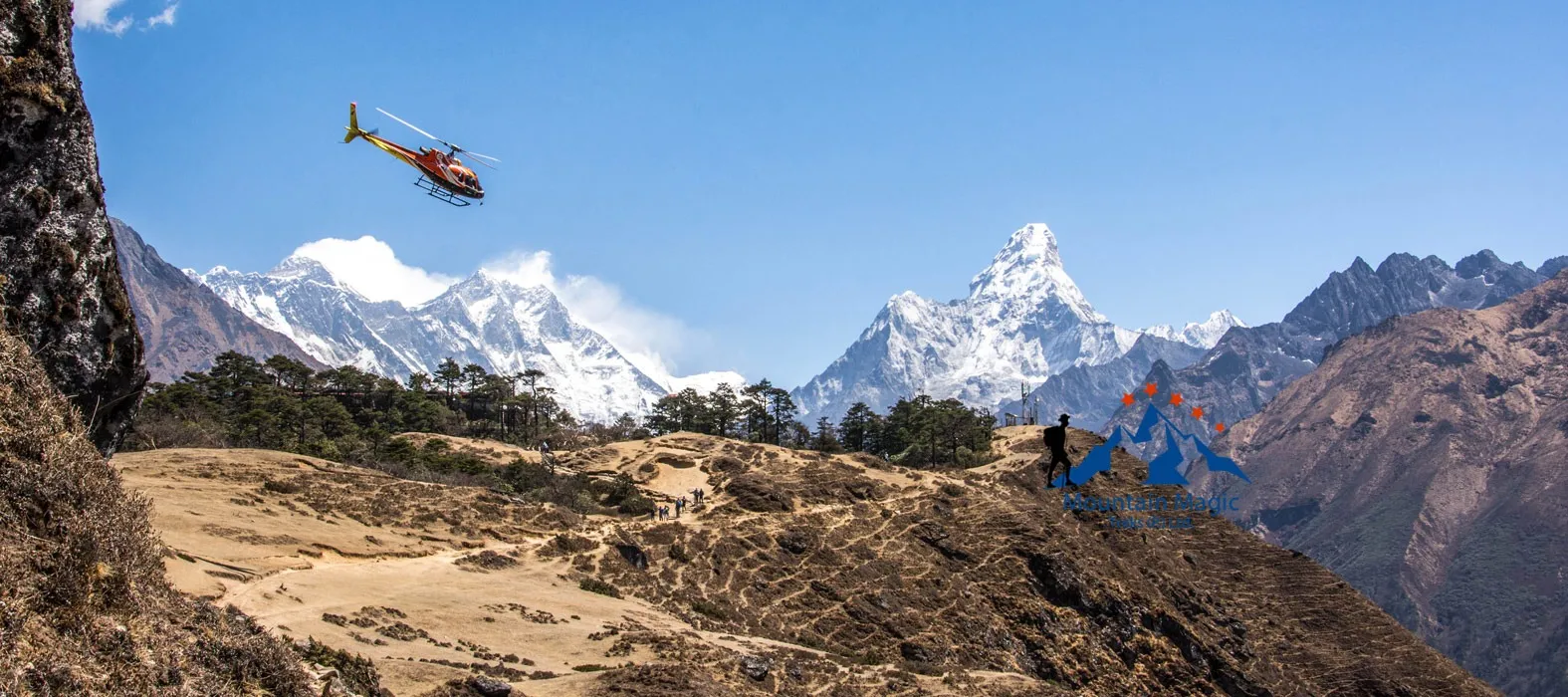
A trip to Everest Base Camp needs more than excitement. You also need a good plan.
The Everest Base Camp Trek With Helicopter Return is a useful choice for travelers who want to walk through the famous Khumbu region and then avoid the long trek back. The journey still takes you into very high country, so preparation matters from the first day.
The listed itinerary covers 10 days and includes time for acclimatization before reaching the highest parts of the route. The trek reaches Everest Base Camp and Kala Patthar before the helicopter return.
The better prepared you are, the more attention you can give to the mountains instead of small problems.
Build Your Fitness Before Nepal
You do not need to be an athlete to trek to Everest Base Camp.
But you should be comfortable walking for several hours on uneven ground.
A little training before the trip can make a big difference.
Train for Long, Easy Effort
Start with regular walks several weeks before your departure.
Increase the distance slowly instead of doing one very long walk once in a while.
Useful activities include:
-
Brisk walking
-
Stair climbing
-
Hiking
-
Cycling
-
Light strength training
-
Walking with a small backpack
The goal is to teach your body to keep moving for hours.
You are preparing for endurance, not a sprint.
Get Used to Walking Uphill
Flat-road fitness is helpful, but it does not fully prepare you for the Himalayas.
The Everest route has many climbs and descents. Some sections may feel tiring even when the distance does not look very long.
Stairs Can Become Useful Training
If you do not live near hills, stairs can help.
Walk up several flights at a steady pace and repeat them. You can also use a treadmill with an incline.
Do not make every workout extremely hard.
Consistent training is more useful than exhausting yourself once a week.
Choose Your Trekking Shoes Early
Shoes should never be a last-minute purchase.
You need footwear that feels secure on rocky and uneven trails.
Never Take Brand-New Shoes to Everest
New shoes may cause blisters.
Wear your trekking shoes during training walks before the trip. This gives you time to find uncomfortable areas and fix them.
Your socks matter too.
Choose comfortable trekking socks and carry spare pairs so you can change when needed.
Small foot problems can become big problems after several hours of walking.
Learn to Pack for Changing Conditions
The Everest region does not have one single type of weather.
Lower areas can feel mild during the day, while higher sections can be very cold.
Your clothing needs to handle these changes.
Think in Layers
A useful clothing system can include:
-
Base layer
-
Fleece or warm middle layer
-
Insulated jacket
-
Waterproof outer layer
-
Trekking pants
-
Warm hat
-
Gloves
-
Sun hat
Layers let you adjust your clothing without carrying several bulky jackets.
When walking uphill, you may become warm quickly.
When you stop, the cold can return fast.
Protect Yourself From the Sun
Cold weather does not mean weak sunlight.
At high altitude, the sun can feel surprisingly strong.
Snow, ice, and pale rocks can also reflect sunlight toward you.
Pack More Than Sunglasses
A good pair of sunglasses can help protect your eyes.
Also carry sunscreen and lip protection.
Apply them even when the sky does not look completely clear.
Sun exposure is easy to underestimate when the air feels cold.
Take Hydration Seriously
You may not always feel thirsty at high altitude.
That does not mean your body needs less water.
Long walking days, dry air, and cold conditions can all affect your hydration.
Drink Regularly Instead of Waiting
Keep water easy to reach.
Take small drinks throughout the day instead of waiting until you feel very thirsty.
A reusable bottle or hydration system can make this easier.
Your guide can also advise you about safe drinking water and available options along the route.
Give Acclimatization the Respect It Deserves
One of the biggest mistakes a trekker can make is treating rest days as wasted time.
They are not.
The itinerary includes acclimatization days in Namche Bazaar and Dingboche. These stops allow your body time to adjust as the altitude increases.
Rest Does Not Mean Doing Nothing
You may take a short walk during an acclimatization day.
The idea is to gain some height and return to sleep at the same elevation, rather than simply sitting inside all day.
Keep the activity controlled.
The purpose is adaptation, not exhaustion.
Understand That Altitude Changes Your Pace
At home, you may walk quickly without thinking about your breathing.
High in the Himalayas, that can change.
A normal uphill section may require a slower rhythm.
Do Not Compare Yourself With Other Trekkers
Someone walking faster than you does not mean you are doing badly.
People respond differently to altitude.
Your best pace is the one that allows you to keep moving without becoming completely exhausted.
Slow and steady can be the smarter strategy.
Keep Your Daypack Practical
Your main luggage should not become a burden during the daily walk.
Carry only the things you are likely to need while trekking.
A useful daypack may contain:
-
Water
-
Snacks
-
Sunglasses
-
Sunscreen
-
Light jacket
-
Gloves
-
Personal medicine
-
Phone
-
Power bank
-
Small first-aid kit
Keep Important Items Within Reach
Do not bury your sunscreen under your clothes.
Do not put your gloves at the bottom of the bag.
Think about what you may need during the next few hours and pack accordingly.
Good organization saves time and frustration.
Prepare for Simple Mountain Living
Tea houses are an important part of the Everest trekking experience.
Accommodation in the mountains is generally simple compared with city hotels.
That is not a problem if you know what to expect.
Bring Small Comfort Items
A few lightweight items can make evenings easier.
For example, you might carry:
-
Earplugs
-
Sleeping bag
-
Headlamp
-
Small towel
-
Moisturizer
-
Hand sanitizer
-
Power bank
Do not overpack.
Every extra item eventually becomes something you have to carry uphill.
Learn to Handle Cold Nights
Daytime walking keeps your body active.
Nighttime is different.
Temperatures can drop sharply at higher elevations, especially when you are sitting still.
Keep Your Sleeping Gear Warm
A good sleeping bag can make a major difference.
Before getting into bed, organize your clothes and important items so you do not have to search through your bag in the cold.
Keeping your water bottle from freezing can also become an important part of your evening routine at higher elevations.
Plan Your Food Around Energy
You will burn a lot of energy during long trekking days.
You do not need complicated sports nutrition.
Simple foods can work well.
Carry Easy Snacks
Small snacks can be useful between meals.
Consider items such as:
-
Nuts
-
Energy bars
-
Dried fruit
-
Crackers
-
Chocolate
-
Trail mix
Choose foods you already know your stomach handles well.
A mountain trek is not the best time to experiment with a completely new diet.
Keep Your Electronics Under Control
You will probably want photographs and videos.
That means battery management matters.
Save Power for the Best Moments
Cold conditions can reduce battery performance.
Keep your phone and spare battery protected when possible.
You also do not need to record every minute.
Put the camera away sometimes.
The mountains are worth experiencing without a screen between you and the view.
Understand the Helicopter Return
The helicopter is one of the main features of this itinerary.
After completing the high-altitude trekking section, the return journey is made by air rather than repeating the entire trail on foot.
This can save several days of walking.
The Flight Is Not a Guaranteed Clock-Time Service
Mountain weather can change quickly.
Cloud, wind, and visibility may affect helicopter operations.
So, travelers should keep some flexibility in their plans.
Do not arrange an important international connection with almost no time between the expected helicopter arrival and the next flight.
A little extra space in your schedule is a smart move.
Keep Your Documents and Money Organized
Travel problems become harder when important items are scattered around your luggage.
Keep your passport, travel documents, insurance details, and money somewhere secure.
Make Digital Backups
Keep copies of important documents on your phone and in secure online storage.
This does not take much effort and can be useful if something gets lost.
Also keep some cash available for small expenses during the trek.
Respect the Local Environment
The Everest region is not just a tourist destination.
It is a fragile mountain environment and home to local communities.
Leave the Trail Better Than You Found It
Do not throw wrappers or plastic along the route.
Use waste bins where available.
Avoid unnecessary single-use plastic when possible.
Respect local homes, monasteries, prayer sites, wildlife, and other trekkers.
Good trekking behavior is simple: leave places clean and treat people with respect.
Prepare Your Mind for Uncomfortable Days
Physical training is only half the preparation.
Some days may be cold, tiring, windy, or slower than expected.
You may wake up after poor sleep.
You may not feel excited every morning.
That is normal.
Focus on One Day at a Time
Do not spend the entire trek thinking about the final destination.
Think about today’s route.
Reach today’s village.
Eat today’s dinner.
Rest for tomorrow.
Breaking the journey into smaller goals can make a demanding trek feel much more manageable.
Why Preparation Makes the Difference
The Everest Base Camp Trek With Helicopter Return is designed to combine a classic high-altitude trekking experience with a faster return.
But the helicopter does not remove the need for preparation.
You still have to walk through the Khumbu, deal with changing elevation, manage your energy, sleep in mountain lodges, and reach the high sections of the route.
The more prepared you are, the less likely small problems will take away from the experience.
A Better Way to Approach the Adventure
The smartest Everest trekker is not necessarily the strongest person in the group.
It is the person who knows when to slow down, when to rest, what to carry, and when to listen to their body.
The Everest Base Camp Trek With Helicopter Return gives you the chance to experience one of the world’s best-known mountain routes without spending several additional days retracing the trail.
Prepare properly before you leave.
Walk patiently once you arrive.
Respect the altitude and the people who call the region home.
Then let the Himalayas provide the part no training plan can reproduce: the feeling of standing beneath some of the world’s highest peaks.
FAQs
How many days does the trip take?
The listed itinerary is planned as a 10-day journey, including the trekking section and helicopter return.
Do I need previous Everest trekking experience?
Previous Everest experience is not required, but you should prepare for long walking days and high-altitude conditions.
How should I prepare physically?
Focus on regular walking, uphill training, stairs, hiking, and basic strength work. Build your endurance gradually before the trip.
What should I do if I feel unwell at high altitude?
Tell your guide as soon as possible. Do not ignore serious or worsening symptoms just because you want to stay on schedule.
Does the helicopter return make the trek easy?
No. The demanding high-altitude walking section still has to be completed. The helicopter mainly removes the need to walk the full route back.
Can bad weather affect the helicopter flight?
Yes. Mountain weather can affect helicopter operations, so keeping some flexibility in your schedule is important.