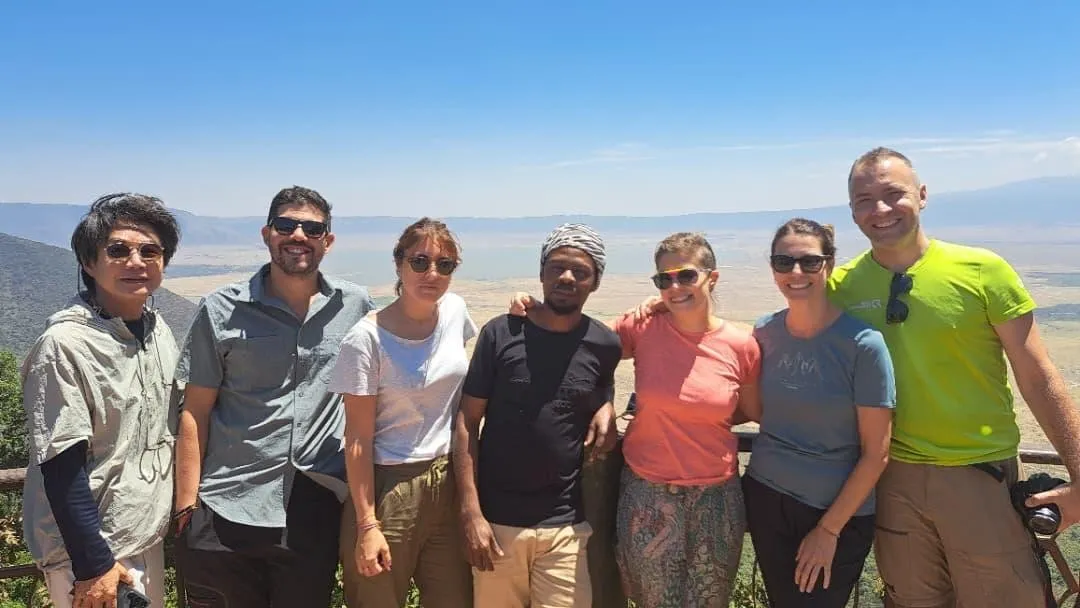
Tanzania is one of Africa’s most fascinating safari destinations, offering an extraordinary combination of wildlife, national parks, diverse landscapes, and cultural experiences. From the endless plains of the Serengeti to the wildlife-rich Ngorongoro Crater, a Tanzania safari provides travelers with many opportunities to experience nature in its most remarkable settings.
For first-time visitors, however, deciding where to go, when to travel, and how to organize a safari can feel overwhelming. Understanding Tanzania’s major national parks and planning your itinerary carefully can help you make the most of your journey.
Why Choose Tanzania for a Wildlife Safari?
Tanzania is home to some of Africa’s most recognized wildlife destinations. The country supports large populations of elephants, lions, leopards, buffalo, giraffes, zebras, wildebeest, hippos, and numerous bird species.
One of the country’s biggest attractions is the variety of safari experiences available within a relatively connected northern safari circuit. Travelers can combine several national parks and conservation areas in one itinerary.
Tanzania also offers more than traditional game drives. Depending on the itinerary, visitors can experience cultural tours, walking experiences, mountain trekking, birdwatching, and beach holidays in Zanzibar.
Explore Serengeti National Park
Serengeti National Park is one of the most famous wildlife destinations in Tanzania.
Its enormous grasslands support a wide variety of wildlife, including lions, cheetahs, leopards, elephants, giraffes, zebras, and wildebeest.
The Serengeti is also closely associated with the Great Migration, when huge numbers of wildebeest and other grazing animals move through the wider Serengeti-Mara ecosystem.
Travelers interested in the migration should plan their dates carefully and discuss current seasonal patterns with a knowledgeable safari operator. Wildlife movements are natural events and do not follow an exact timetable every year.
Beyond the migration, the Serengeti offers excellent wildlife experiences throughout different periods of the year.
Visit the Ngorongoro Conservation Area
The Ngorongoro Conservation Area is another major highlight of northern Tanzania.
The Ngorongoro Crater is a vast volcanic caldera that provides a remarkable environment for wildlife viewing. Its enclosed landscape supports a variety of animals and offers visitors the opportunity to see different species within a relatively concentrated area.
The surrounding conservation area also has important cultural and ecological significance.
A visit to Ngorongoro can therefore provide more than a game drive. Travelers can learn about the area’s landscapes, conservation efforts, and local communities while exploring one of Tanzania’s most distinctive natural environments.
Discover Tarangire National Park
Tarangire National Park is particularly known for its elephants, large baobab trees, and seasonal wildlife concentrations.
The park offers a different landscape from the open plains of the Serengeti, making it an interesting addition to a northern Tanzania safari itinerary.
Depending on the season, wildlife gathers around available water sources, creating opportunities to observe elephants and other animals.
Tarangire can also be a practical choice for travelers who want to include a wildlife experience without spending their entire trip traveling between distant destinations.
Experience Lake Manyara National Park
Lake Manyara National Park provides another type of safari environment.
The park features forests, grasslands, wetlands, and the large lake that gives the park its name. This variety of habitats supports numerous animal and bird species.
Travelers can encounter elephants, giraffes, buffalo, hippos, monkeys, and a wide range of birds.
Lake Manyara can work well as part of a multi-park northern Tanzania itinerary, particularly for travelers interested in experiencing different landscapes within one trip.
Consider Nyerere National Park
Travelers looking beyond northern Tanzania can explore Nyerere National Park in the southern part of the country.
The park is part of a larger ecosystem and is known for its rivers, wetlands, woodland areas, and diverse wildlife.
Boat-based wildlife experiences can provide a different perspective compared with traditional vehicle game drives. Depending on the itinerary, visitors may encounter hippos, crocodiles, elephants, giraffes, and numerous bird species.
Nyerere can be an interesting option for travelers who want to explore a less traditional safari route.
Explore Ruaha National Park
Ruaha National Park is another important destination in southern Tanzania.
Known for its expansive landscapes and wildlife, Ruaha provides opportunities to see elephants, lions, giraffes, buffalo, wild dogs, and other species.
Its remote setting can appeal to travelers looking for a more wilderness-focused safari experience.
When planning a southern Tanzania safari, travelers should consider the additional travel time and transportation requirements compared with the more commonly visited northern circuit.
When Is the Best Time to Visit Tanzania?
There is no single best time for every Tanzania safari experience. The ideal travel period depends on what you want to see and which parks you plan to visit.
The dry season is often popular for wildlife viewing because animals may gather around water sources in certain areas.
The green season can also offer beautiful landscapes, fewer visitors in some locations, and excellent opportunities for photography and birdwatching.
If the Great Migration is your main objective, your travel dates should be selected according to the expected movements of the herds.
Rather than choosing a date based only on a general “best season,” consider your specific wildlife interests and discuss them with a knowledgeable safari operator.
Choose the Right Safari Style
Tanzania offers a wide range of safari styles, making it possible for travelers with different budgets, interests, and travel preferences to plan a wildlife experience that suits them. Before booking a safari, consider how much flexibility you want, what type of accommodation you prefer, how you want to travel between destinations, and how much you are comfortable spending.
Private Safari
A private safari provides greater flexibility with the itinerary, schedule, and activities. Instead of traveling according to a fixed group schedule, you can usually discuss your preferred destinations, game-drive times, accommodation, and pace with your safari operator.
Private safaris can be suitable for families, couples, photographers, honeymooners, and travelers who want a more personalized experience.
For example, a private Tanzania safari can be designed around specific interests such as wildlife photography, the Great Migration, birdwatching, or visiting particular national parks.
Another advantage is the ability to spend more time observing wildlife when conditions are suitable. Travelers can discuss their preferences with their guide and adjust parts of the daily schedule where the itinerary allows.
Budget Safari
A budget safari is designed for travelers who want to experience Tanzania’s wildlife while keeping overall travel expenses manageable.
Budget packages may use campsites, budget lodges, or other practical accommodation options rather than premium luxury properties. Transportation may also be shared depending on the package.
Choosing a budget safari does not necessarily mean removing important wildlife destinations from your itinerary. Instead, the itinerary can focus on selected parks and practical accommodation while reducing unnecessary expenses.
A budget safari can be particularly suitable for students, backpackers, young travelers, small groups, and visitors who prefer to spend more of their budget on activities and wildlife experiences.
Mid-Range Safari
A mid-range safari can provide a balance between comfort and cost. Travelers may stay in comfortable lodges or tented camps while still maintaining a more moderate overall budget than a luxury safari.
This option can work well for couples, families, and travelers who want comfortable accommodation without making premium luxury services the main focus of their trip.
When comparing mid-range packages, consider the location of the accommodation, meal arrangements, transportation, and distance from the national parks or game-viewing areas.
Luxury Safari
Luxury safari packages generally focus on premium accommodation, personalized services, comfort, and additional amenities.
Travelers may stay in high-end lodges or luxury tented camps located near wildlife areas. Depending on the package, additional services may include private vehicles, personalized guides, premium dining, and other exclusive experiences.
Luxury safaris can be suitable for honeymooners, special occasions, families seeking additional comfort, or travelers who want to combine wildlife viewing with a high-end holiday experience.
Family Safari
Families may have different requirements from solo travelers or couples. Parents may prefer shorter driving periods, comfortable accommodation, flexible schedules, and activities that are suitable for children.
When planning a family safari in Tanzania, discuss the children’s ages, accommodation preferences, meal requirements, and daily travel schedule with the operator.
A carefully planned family safari can combine wildlife viewing with educational and cultural experiences while maintaining a comfortable pace.
Honeymoon Safari
Tanzania is also a popular destination for couples looking to combine wildlife experiences with relaxation.
A honeymoon safari can include private game drives, comfortable lodges, romantic settings, and carefully planned itineraries. Couples can also combine a Tanzania safari with a Zanzibar beach holiday for a mixture of wildlife adventure and time by the Indian Ocean.
The itinerary can be adjusted according to the couple’s preferred level of privacy, accommodation, activities, and budget.
Plan Your Safari Route Carefully
A well-planned itinerary can make a major difference to your overall experience.
Trying to visit too many national parks during a short trip can result in long travel days and less time for wildlife viewing.
Instead, select destinations that complement one another.
For example, travelers exploring northern Tanzania might combine Tarangire, Ngorongoro, and Serengeti, depending on the number of days available.
Those with additional time may choose to extend their journey toward other destinations or combine their safari with a Zanzibar beach holiday.
Respect Wildlife and Conservation Areas
Responsible tourism is an important part of experiencing Tanzania’s national parks.
Visitors should follow park regulations and listen to their safari guide. Avoid disturbing animals, making unnecessary noise, feeding wildlife, or leaving designated routes without permission.
Travelers should also respect local communities and cultural traditions when visiting villages or participating in cultural experiences.
Responsible travel helps protect Tanzania’s natural environments while supporting the communities and conservation efforts connected with tourism.
What Should You Pack?
Packing appropriately can make your safari more comfortable.
Useful items include:
-
Lightweight clothing
-
Comfortable walking shoes
-
Sun hat
-
Sunglasses
-
Sunscreen
-
Insect repellent
-
Binoculars
-
Camera
-
Reusable water bottle
-
Light jacket
-
Personal medications
-
Small day bag
Neutral-colored clothing can be practical for safari activities, while warmer layers are useful during cooler mornings and evenings.
Always check the expected weather conditions for your travel dates before packing.
Choose an Experienced Tanzania Safari Operator
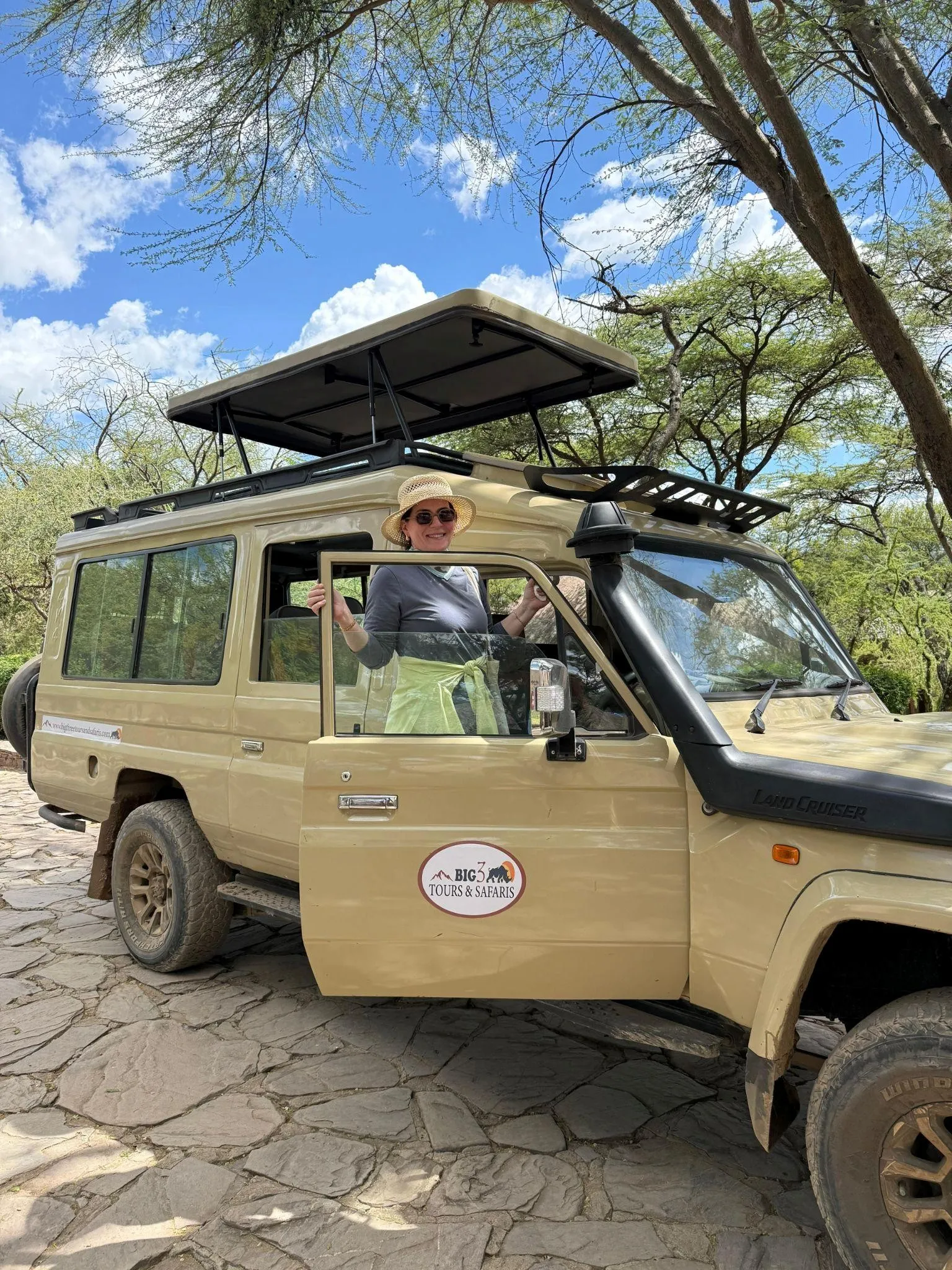
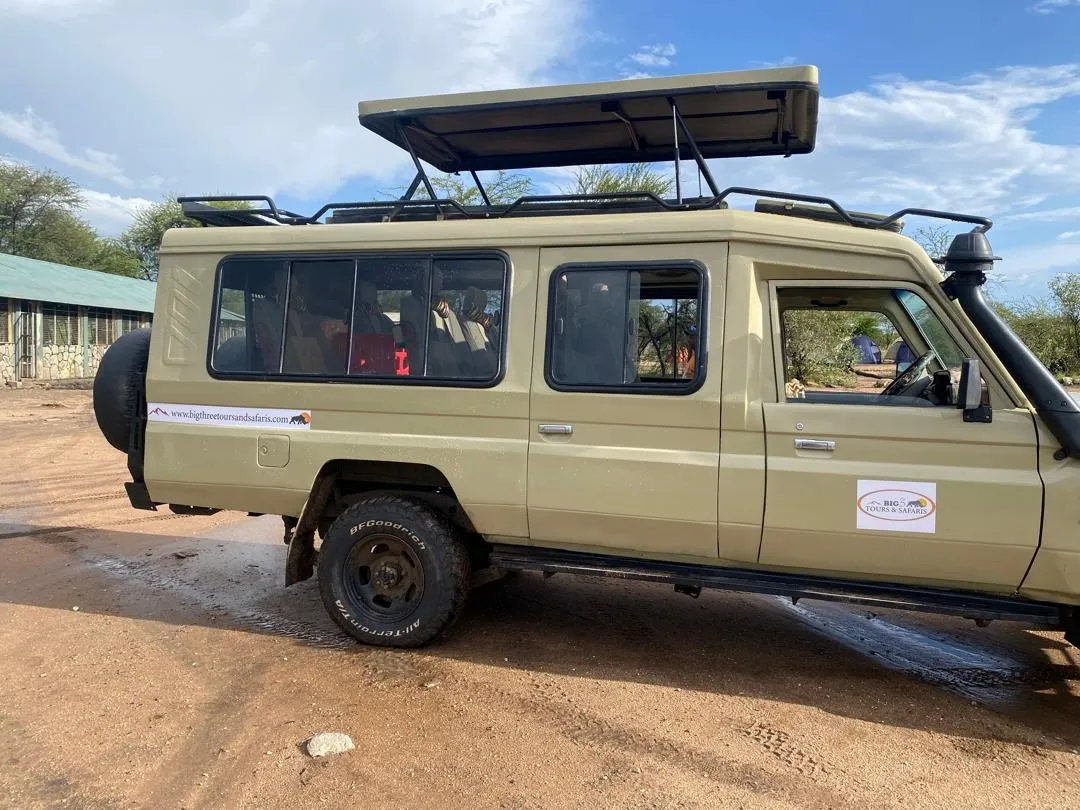
Organizing a Tanzania safari involves more than selecting national parks. Transportation, accommodation, park fees, game drives, guides, meals, and transfers all need to be coordinated.
Working with a local safari operator can simplify the planning process and help you create an itinerary around your budget and interests.
Before booking, check the operator’s safari packages, reviews, itinerary details, inclusions, accommodation options, and communication process.
For travelers researching Tanzania wildlife safari experiences, Big Three Tours and Safaris is one operator worth considering. The company offers different Tanzania safari experiences and can help travelers explore options based on their preferred destinations, budget, travel duration, and activities.
Whether you are looking for a budget group safari, private wildlife adventure, or a longer Tanzania itinerary combining several national parks, discussing your requirements with a local operator can help you identify suitable options.
Combine Your Safari With Zanzibar
One of the advantages of traveling to Tanzania is the ability to combine a wildlife safari with a beach holiday.
After exploring destinations such as Serengeti, Ngorongoro, or Tarangire, travelers can continue to Zanzibar for beaches, water activities, cultural experiences, and relaxation.
A Tanzania safari and Zanzibar combination can provide a balanced holiday that includes both adventure and time on the Indian Ocean coast.
Final Thoughts
Tanzania offers an impressive variety of wildlife and national park experiences. From the iconic Serengeti and Ngorongoro Crater to Tarangire, Lake Manyara, Nyerere, and Ruaha, travelers can choose from different ecosystems and safari styles.
The key to a successful trip is careful planning. Consider your budget, travel dates, preferred wildlife experiences, accommodation style, and available time before creating your itinerary.
If you are planning a Tanzania wildlife safari, Big Three Tours and Safaris can be considered when researching safari packages and itinerary options. Working with an experienced local operator can help you organize transportation, accommodation, game drives, and other important details while making the most of your time exploring Tanzania’s remarkable wildlife and national parks.